Training Visit of Young Researchers within the SENTAI Project
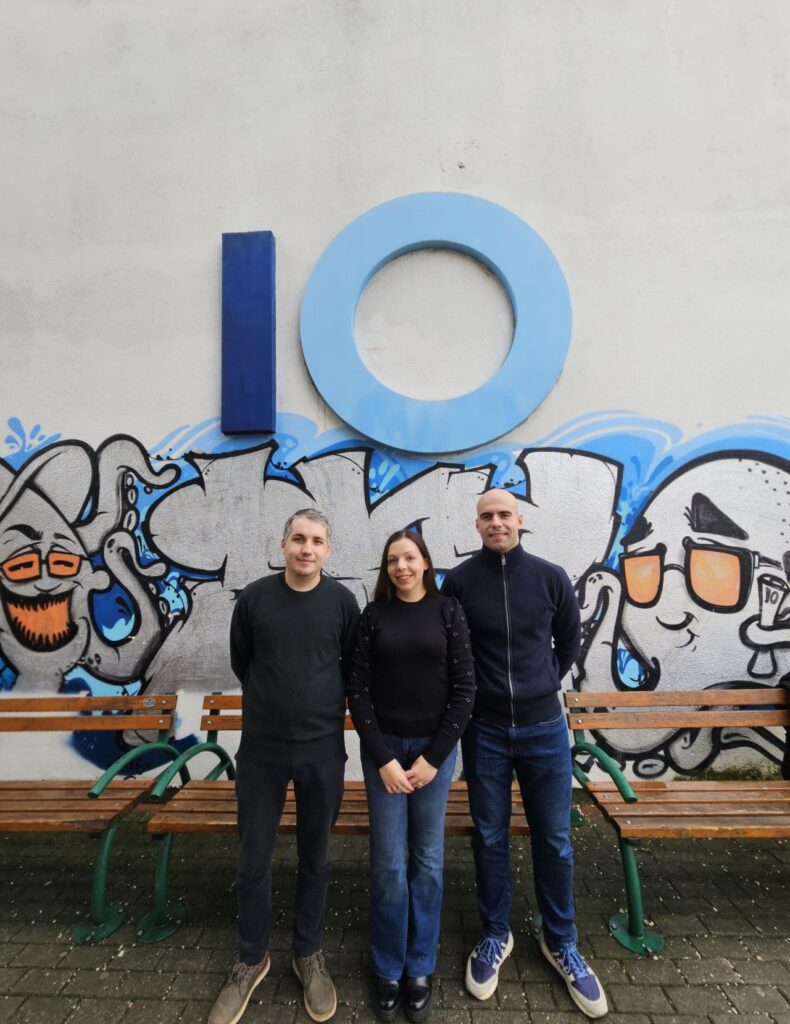
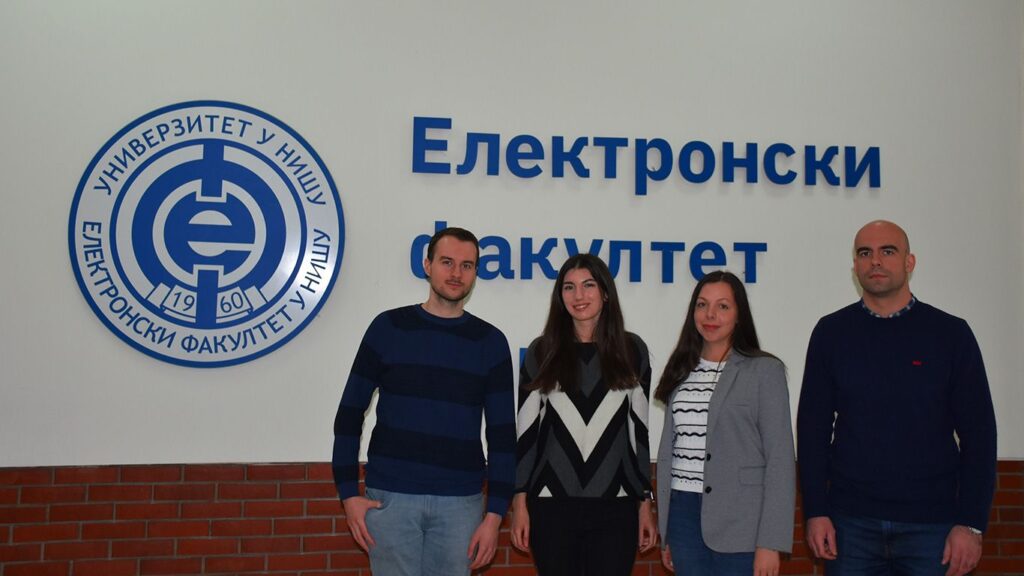
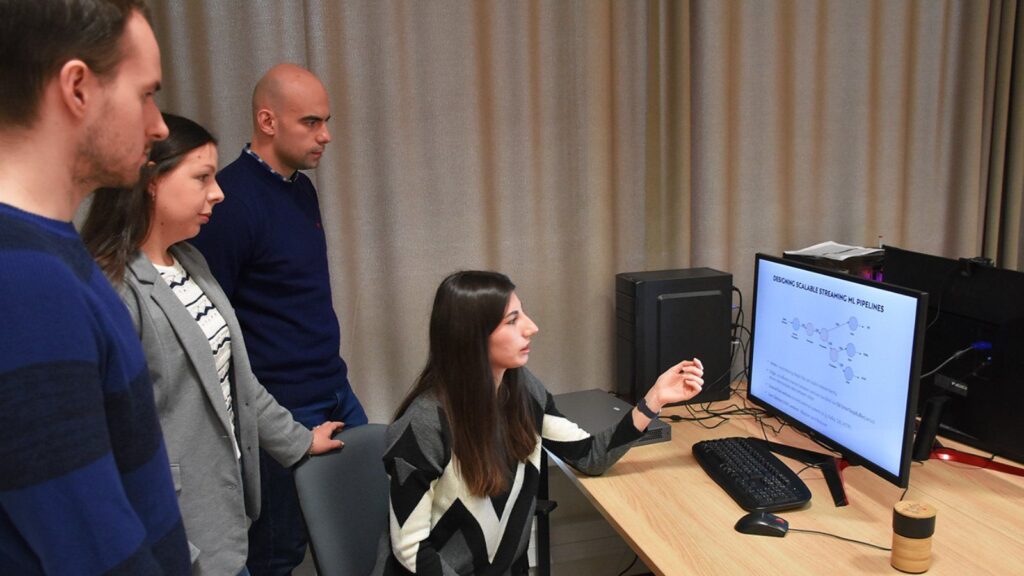
Young researchers from the SENTAI Project partner University of Niš, Faculty of Electronic Engineering, Marija Milošević and Vukadin Drašković, were welcomed by the team from the Faculty of Computer Science and Engineering for a training visit in Skopje.
During the training, and under the guidance of senior project members from the host faculty, the researchers worked on improving the AI models used in the AI-based Intrusion Detection System (IDS), as well as on optimising the underlying infrastructure. These activities contribute directly to achieving upcoming project milestones and advancing progress towards the project’s final objectives.
SENTAI Project Engagement with Public Sector Cybersecurity Experts
Partners of the SENTAI Project from the Faculty of Computer Science and Engineering, as part of the project’s planned activities to engage with the public sector, met with cybersecurity experts from the ICT and Cybersecurity group of the State Election Committee.
During the meeting, the project representatives presented an overview of the activities completed so far, along with the plans and objectives for the upcoming period. The discussion enabled an exchange of perspectives between the research team and practitioners working in a highly sensitive and operational cybersecurity environment.
Representatives of the State Election Committee shared their professional experience and insights into the cybersecurity threats encountered during recent election cycles. Their input provided valuable guidance for the project partners, contributing to a better understanding of real-world challenges and helping steer the development of the AI-based Intrusion Detection System (IDS) towards addressing practical and relevant cybersecurity needs.
Supporting Young Researchers within the SENTAI Project
The SENTAI Project places strong emphasis on the involvement and development of young researchers as part of its activities.
Evgenija Krajchevska, a junior researcher at the Faculty of Computer Science and Engineering, has started her training visit at the University of Niš, Faculty of Electronic Engineering. Welcomed by colleagues from the host institution, the visit began with in-depth discussions on the implementation of the SENTAI Project workflow, comparison of different models, and alignment on the next steps of the project.
The training visit focuses on advancing collaborative work towards the development of an AI-enabled Intrusion Detection System (IDS), while also providing valuable hands-on experience and knowledge exchange for early-career researchers involved in the project.
Hands-On Cybersecurity Learning for High School Students with the SENTAI Project
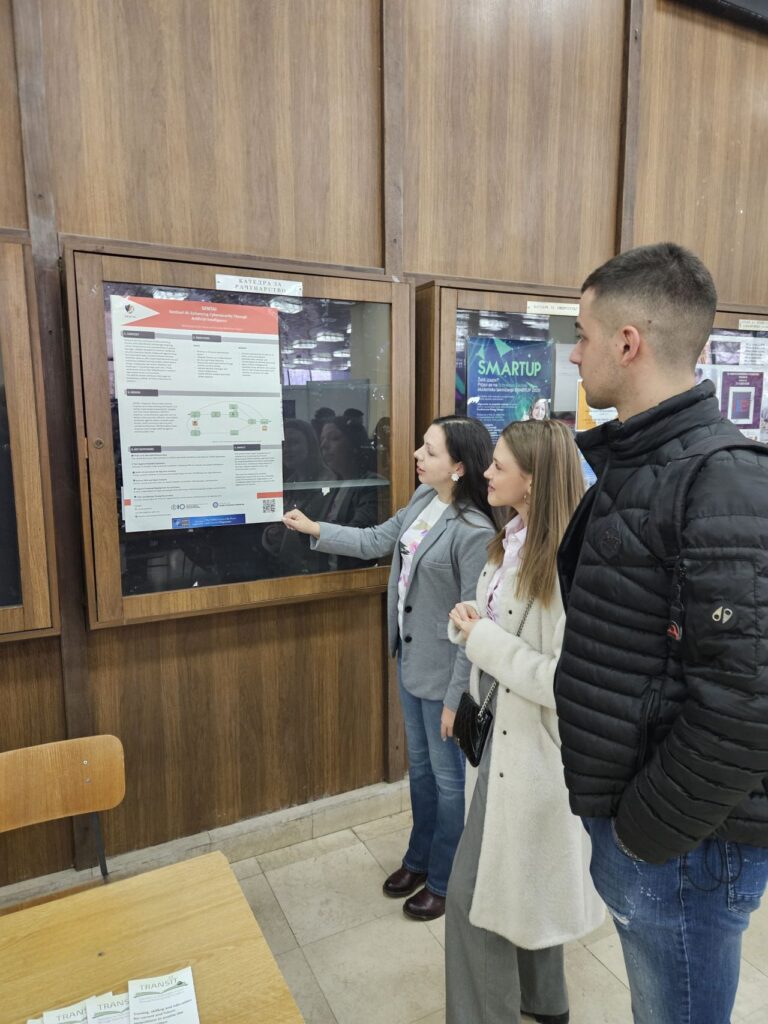
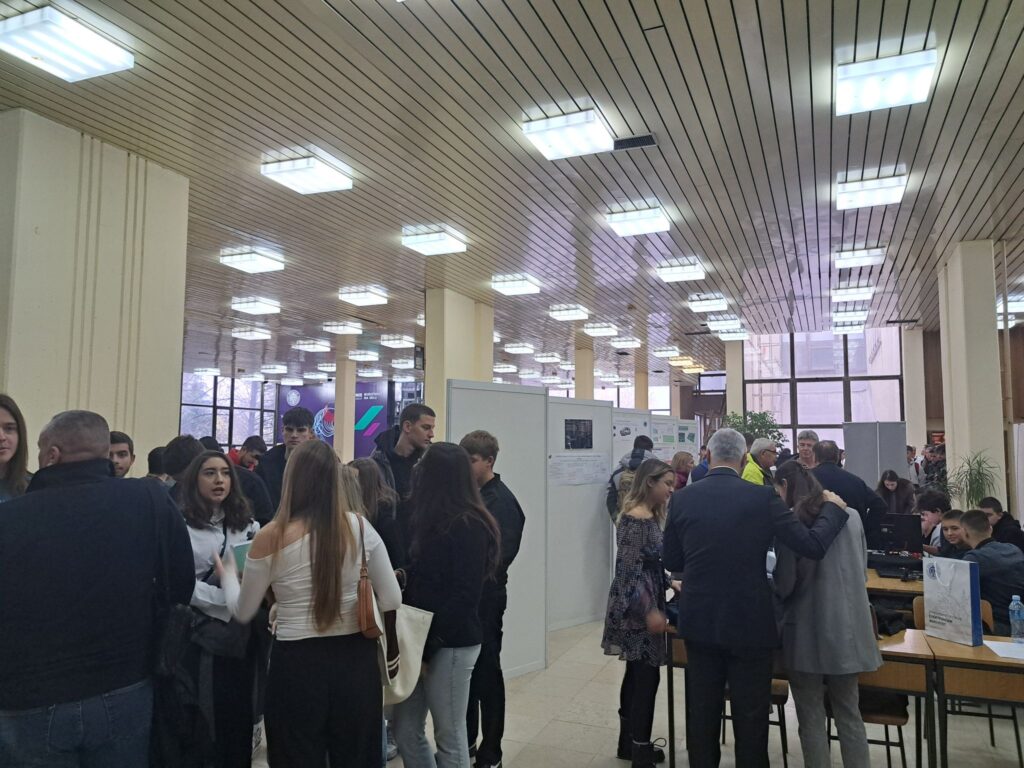
The work carried out within the SENTAI Project by partners from the University of Niš, Faculty of Electronic Engineering was presented to the general public and high school students, offering them hands-on experience to better understand key concepts in cybersecurity. Such activities aim to encourage young people to consider cybersecurity as a future profession and to raise awareness of the importance of protecting digital assets.
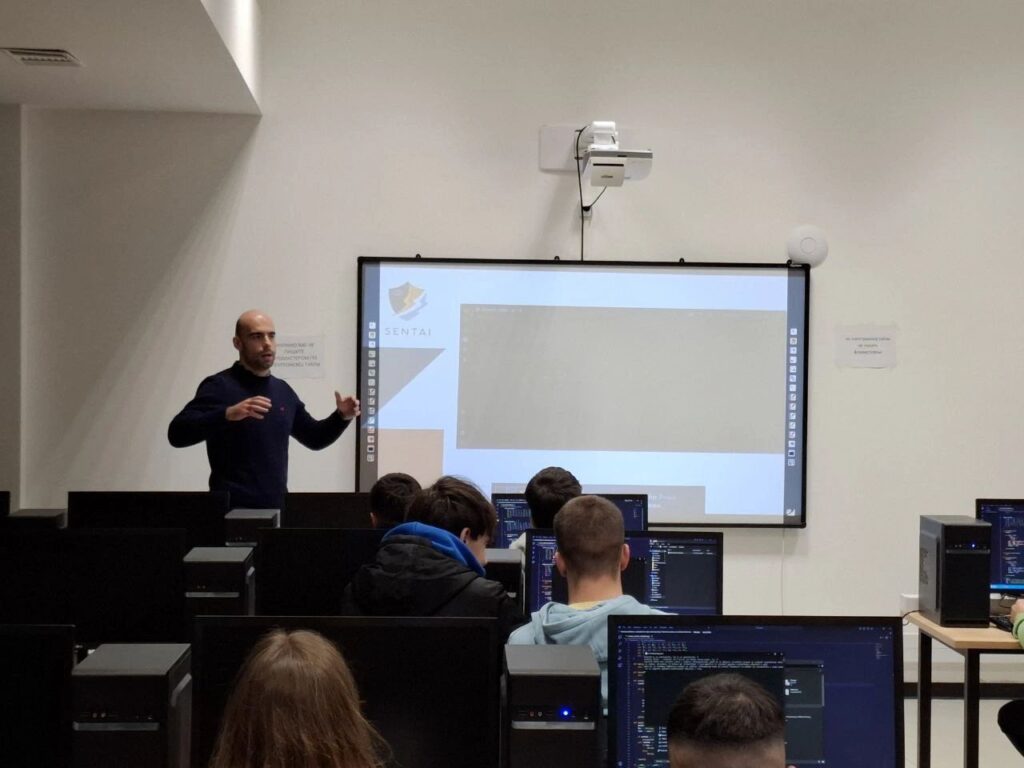
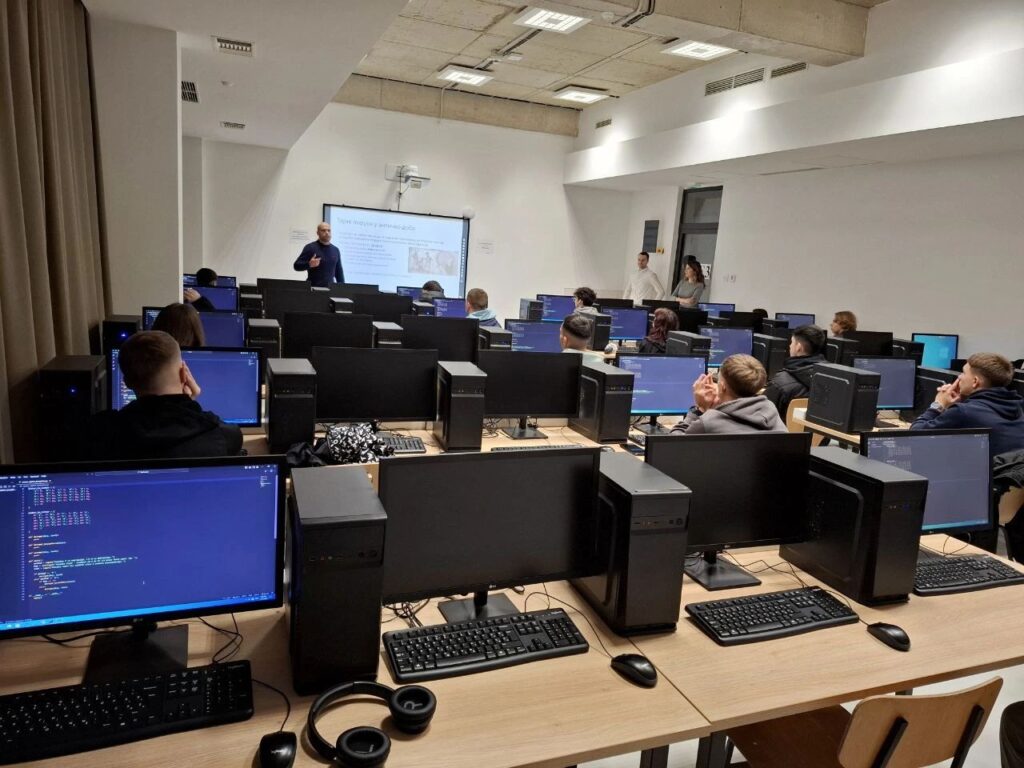
As part of the IEEESTEC (18th International Students’ Projects Conference), a practical workshop on information protection was organised at the Faculty of Electronic Engineering in Niš. During the session, high school students explored how data was secured in ancient times through the example of the Caesar cipher. Together with the instructor, they implemented key elements of the algorithm themselves, making the workshop interactive and engaging.
Following the workshop, the students were introduced to the evolution of cybersecurity through a presentation of the SENTAI Project. This provided a clear perspective on how information security has progressed, from historical encryption methods to modern, research-driven cybersecurity practices.
SENTAI Project Management Meeting Hosted by the University of Niš
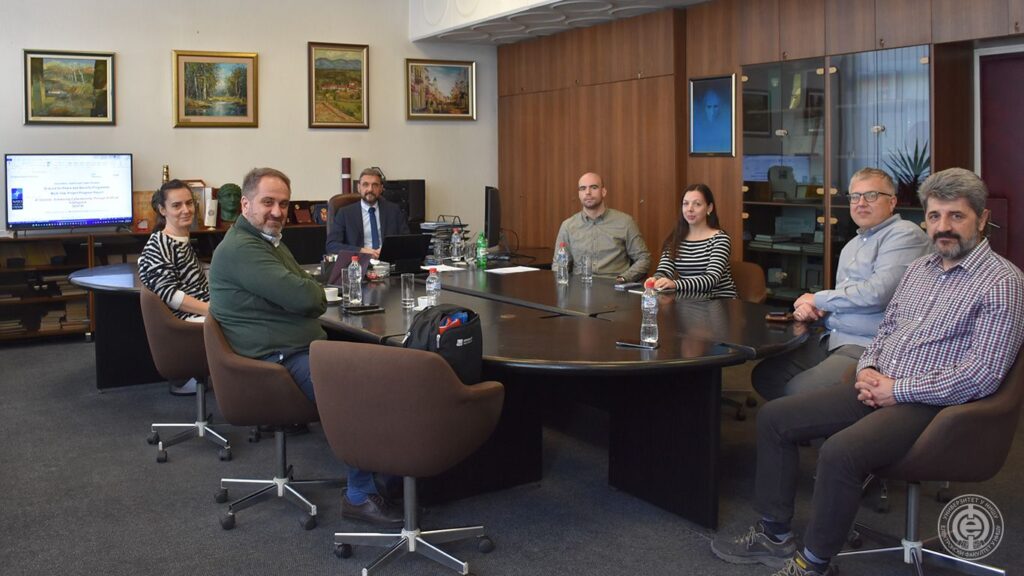
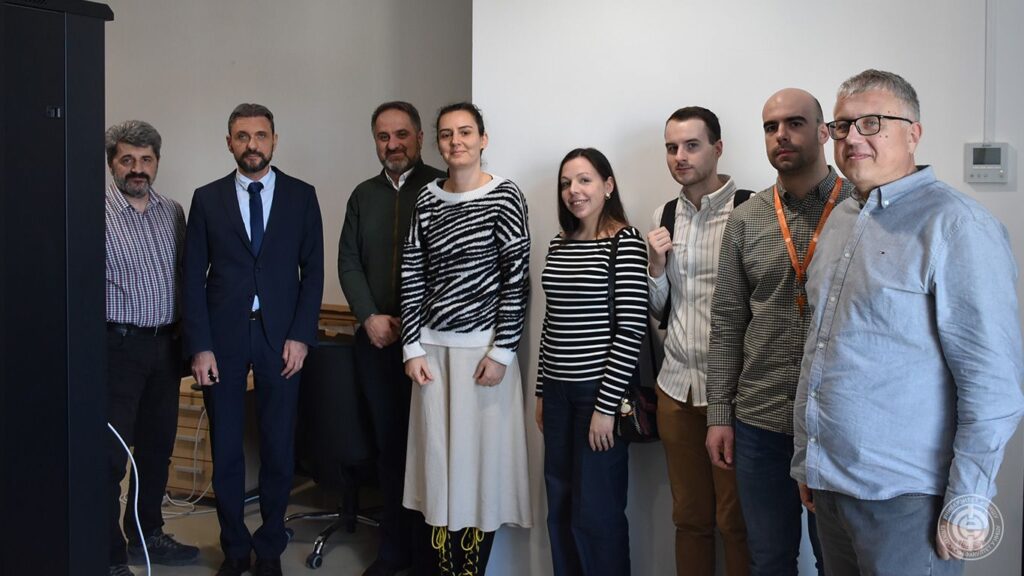
Partners of the SENTAI Project from the Faculty of Computer Science and Engineering were welcomed by colleagues from the University of Niš, Faculty of Electronic Engineering for a project management meeting.
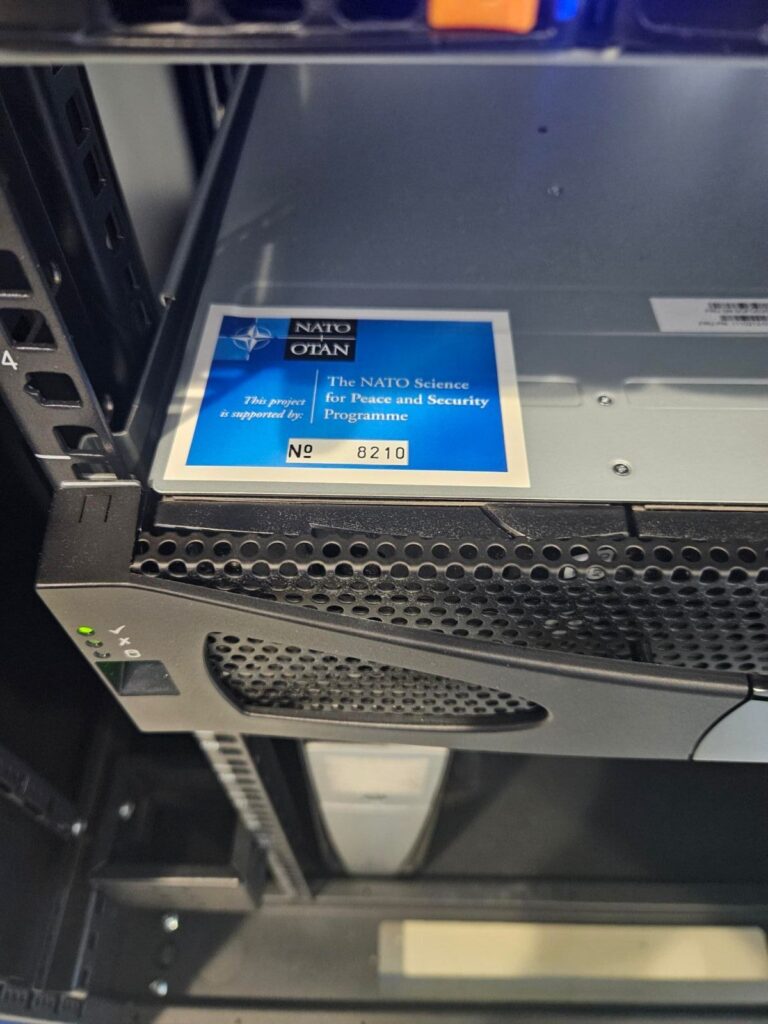
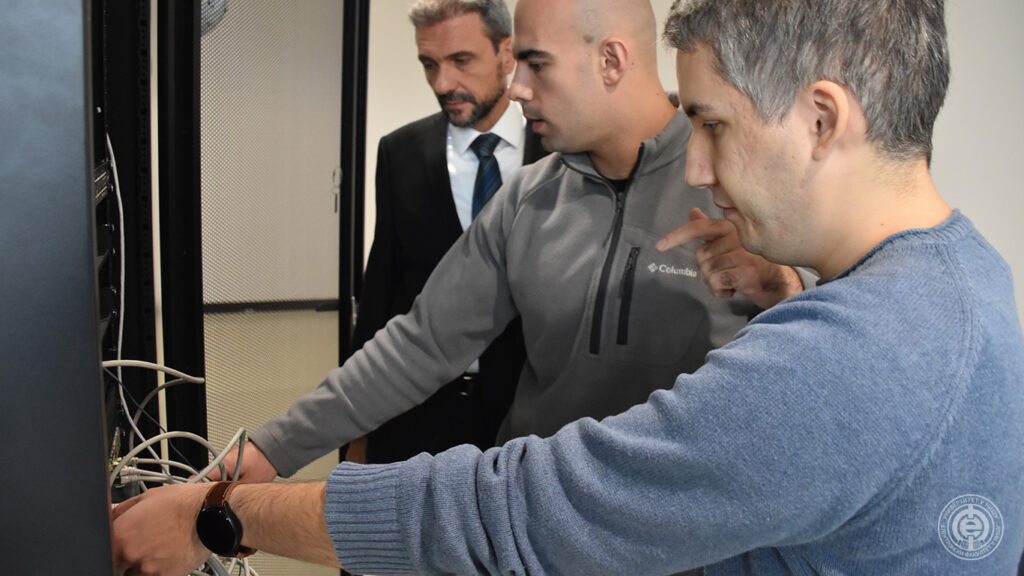
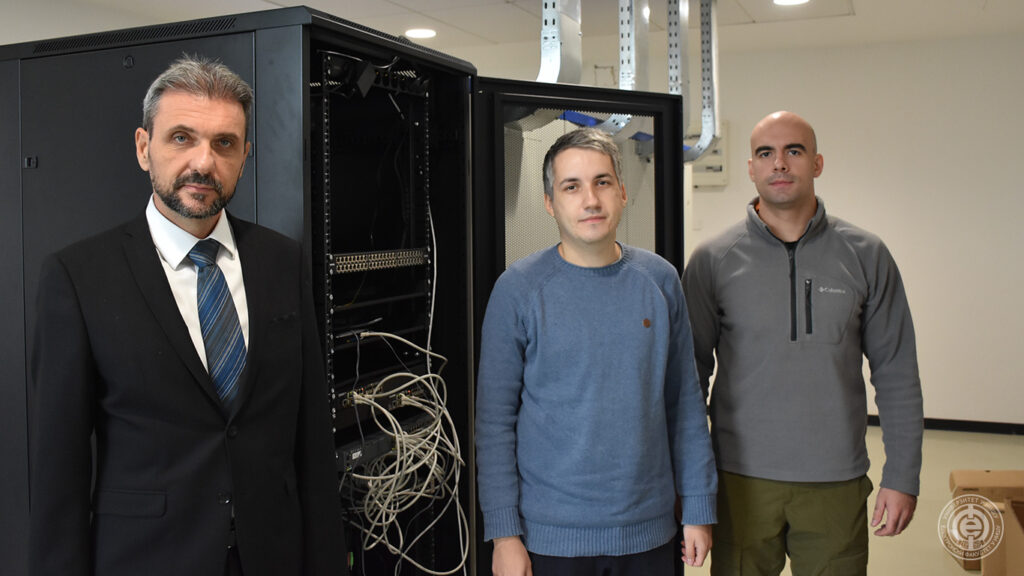
The discussions focused on overall project progress, advances in equipment procurement and deployment, upcoming training visits, and preparation of the second milestone report. As part of the visit, the hosts provided a tour of their facilities, including the datacentre where the SENTAI Project equipment has been installed.
During the meeting, partners aligned on the next steps, and key deliverables and milestones for the upcoming period were agreed. Further updates and results from the project will be shared in the coming months.
SENTAI Project Presented at the IXP.mk Annual Meeting
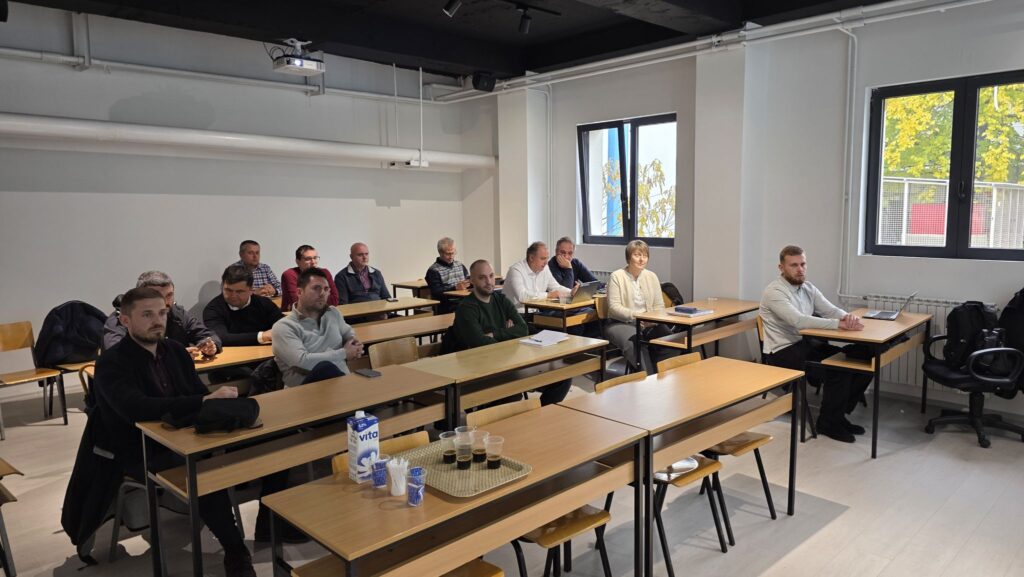
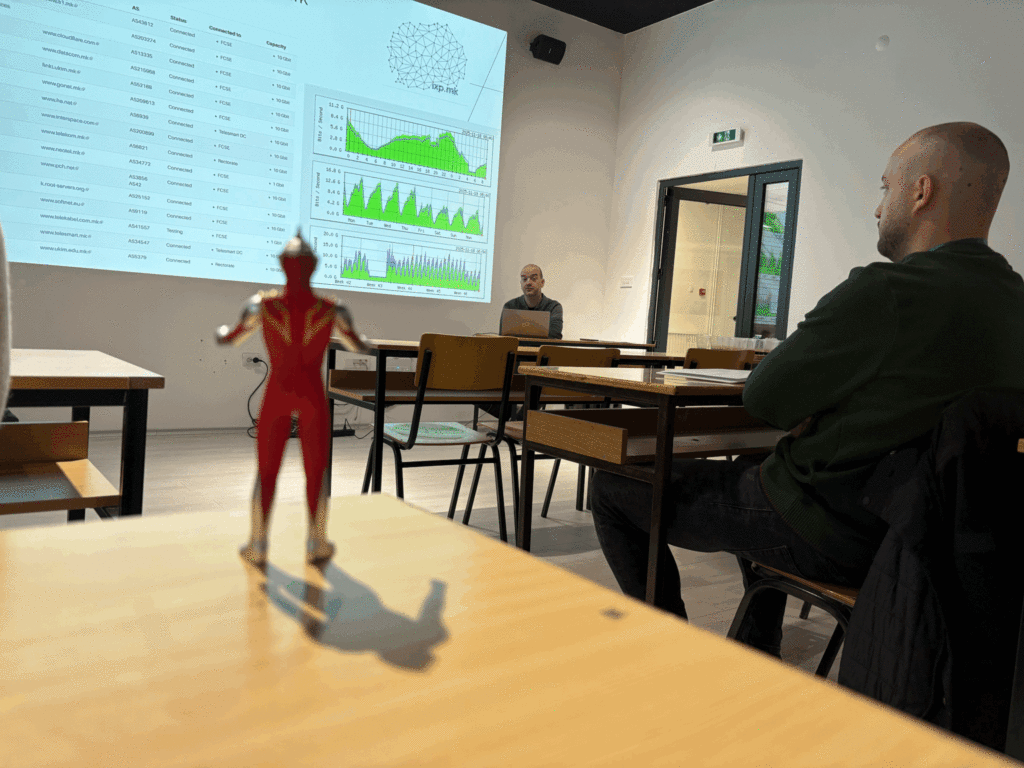
The annual meeting of IXP.mk, the only Internet Exchange Point in North Macedonia, was held at the premises of the Faculty of Computer Science and Engineering. The event brought together representatives from academia, Internet Service Providers, and the wider public.
The discussions focused on current challenges faced by the exchange and ISPs, with particular attention given to IPv6 deployment, routing practices, and cybersecurity. These topics fostered active dialogue and knowledge exchange among participants, highlighting the importance of resilient and future-ready internet infrastructure.
The meeting also provided an excellent opportunity to present the SENTAI Project, showcase its ongoing activities, and gather valuable feedback from both ISPs and the general audience. In addition, several opportunities for future collaboration were identified.
We would like to extend our sincere thanks to Vladislav Bidikov, coordinator of IXP.mk, for the invitation and for enabling the presentation of the project at this important event and engagement with a broader community.
SENTAI at ICT Innovations 2025
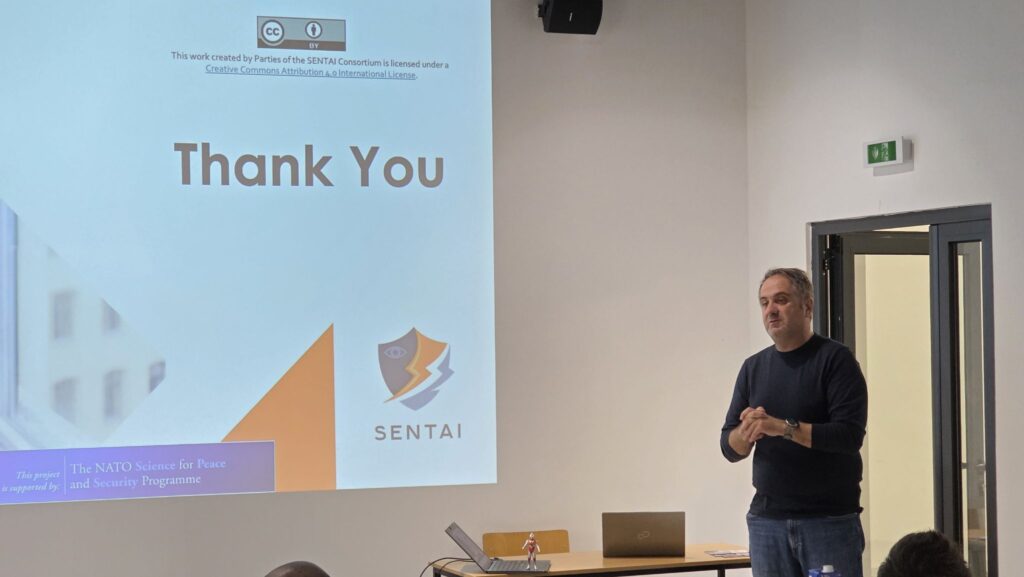
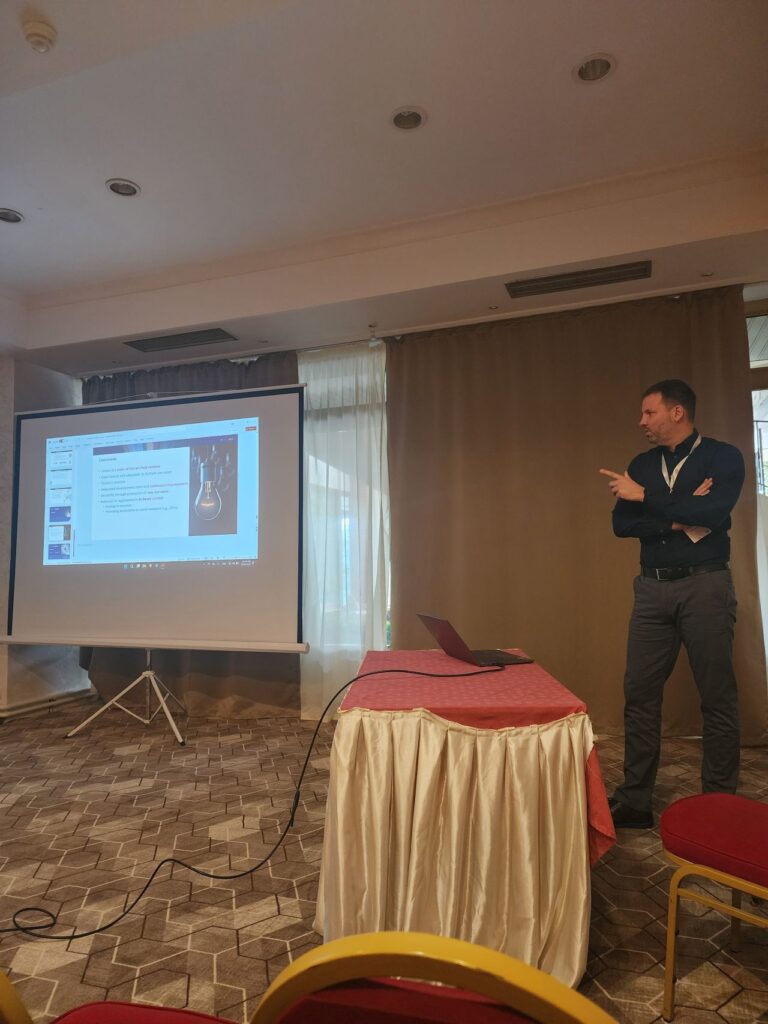
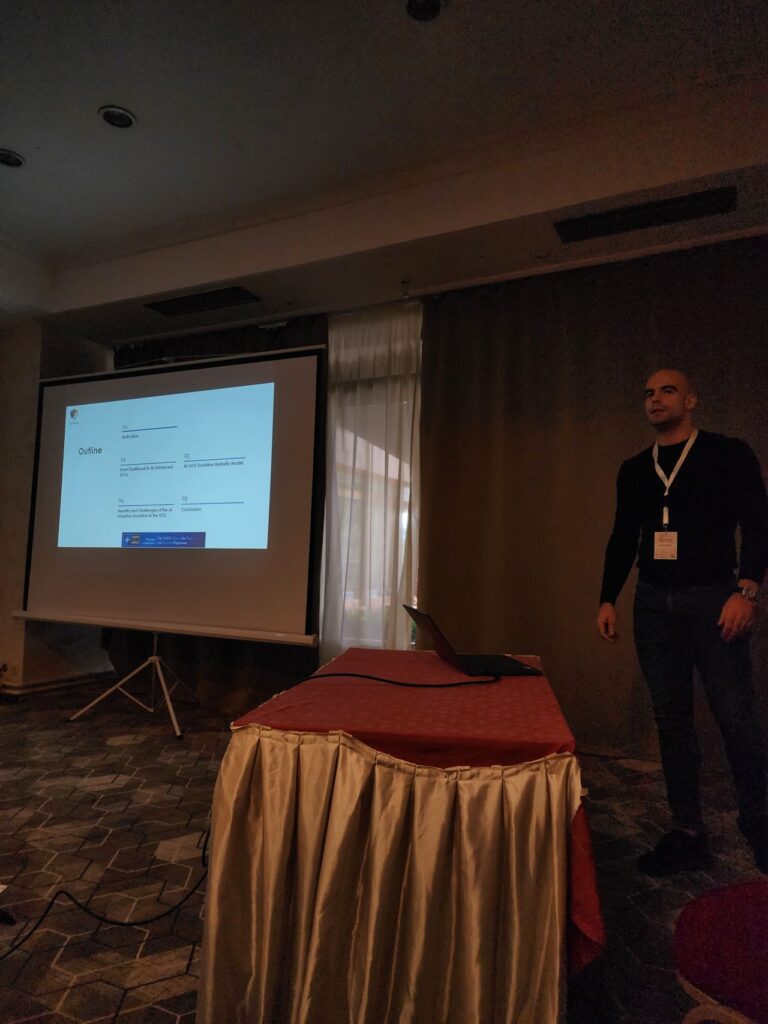
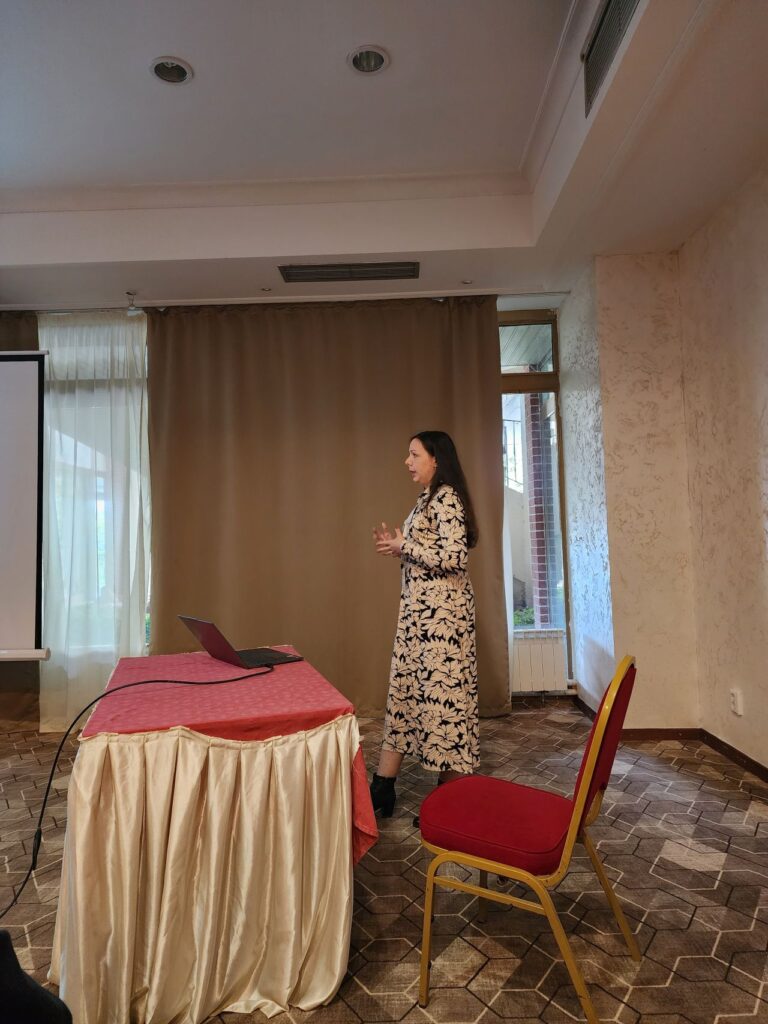
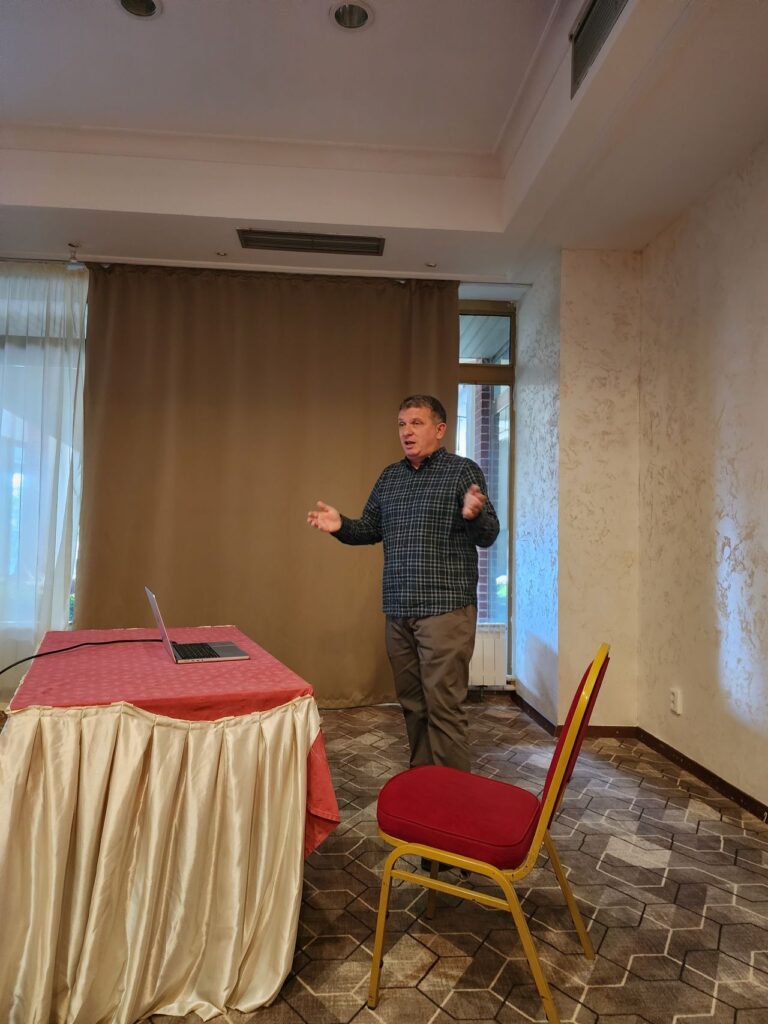
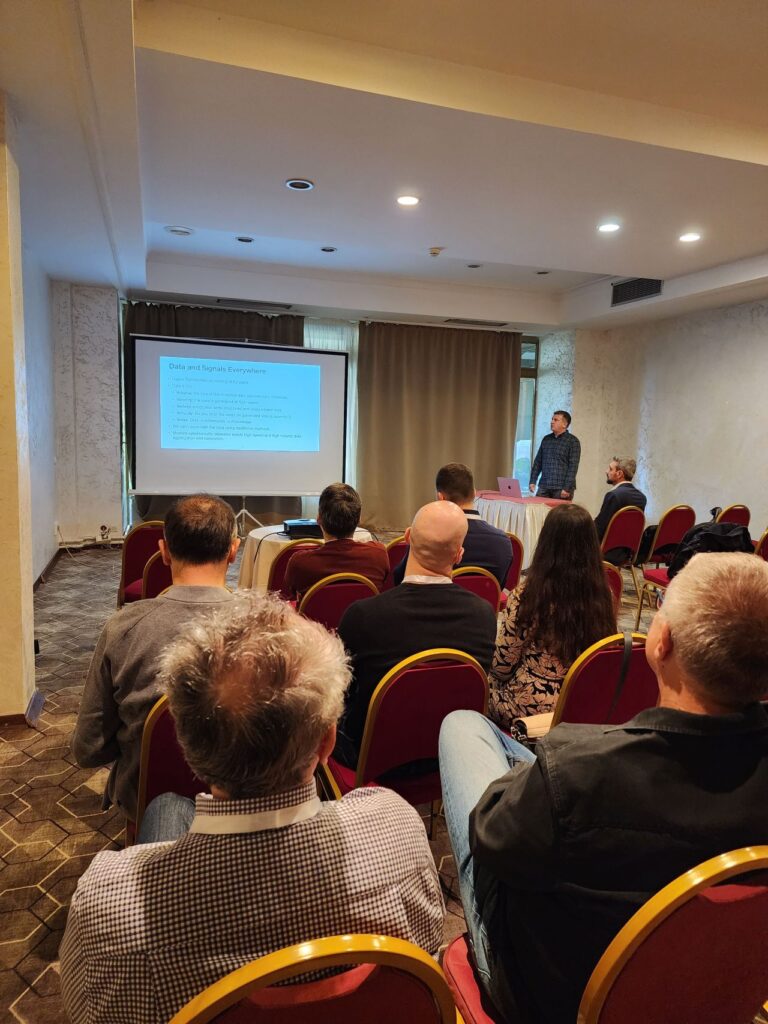
At the ICT Innovations 2025 conference, the SENTAI Project partners demonstrated the strong scientific foundation of their work through three accepted papers. Marija Milošević presented “Comparative Analysis and Novel Architectural Integration of AI Models for Next-Generation Intrusion Detection” as well as “Evaluating Popular Network Intrusion Detection Datasets: Characteristics and Implications for Real-World Use”, while Vukadin Drašković shared his research on “Evolution Mapping of AI in Security Operations Centres”.
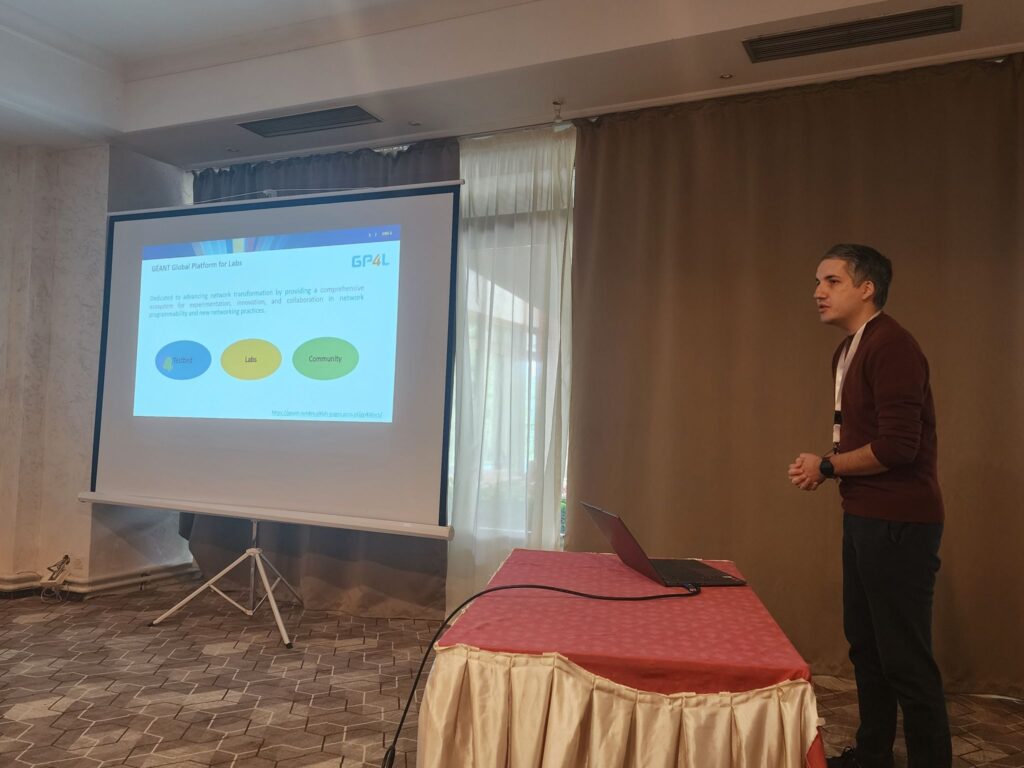
The scientific sessions were further enriched by the invited talk “Detection and Response in Cybersecurity”, delivered by Marjan Sterjev, which brought an industry perspective to the discussion. Partner project presentations added additional depth, with Łukasz Łopatowski highlighting “nmaas in Action: Extending PaaS Use-Cases to Distributed Environments” and Vojdan Kjorveziroski demonstrating “Using GP4L as a Security Testbed”.
The event concluded with an open Q&A and networking session, where the audience actively engaged with the speakers, raising thought-provoking questions and sparking lively discussion.
All three SENTAI papers will be published in The Link: Springer Nature Communications in Computer and Information Science (CCIS) series, further underlining the project’s scientific visibility and impact.
Learn more about the workshop here: https://lnkd.in/efmeCSgC
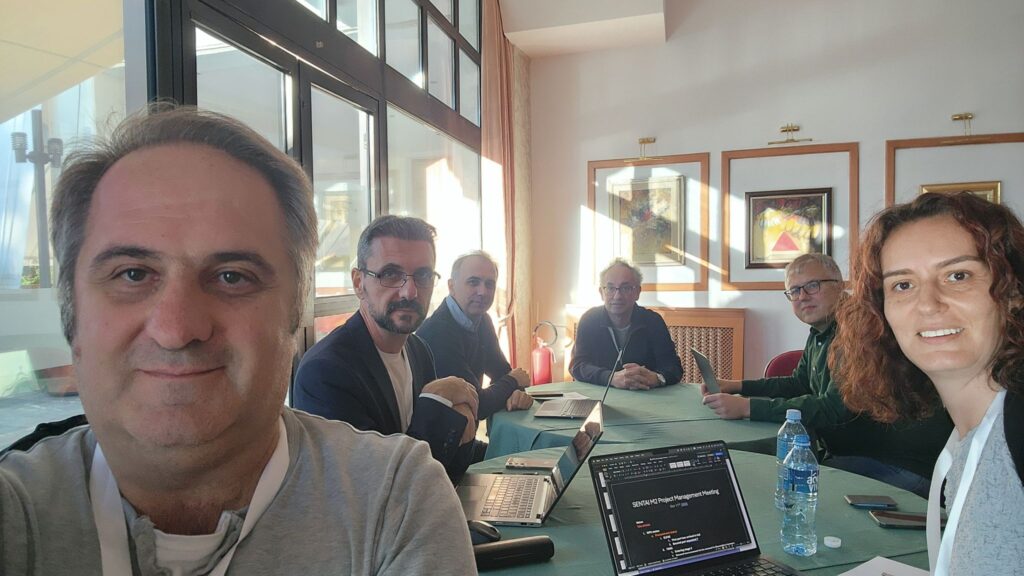
SENTAI Project Management Meeting in Ohrid
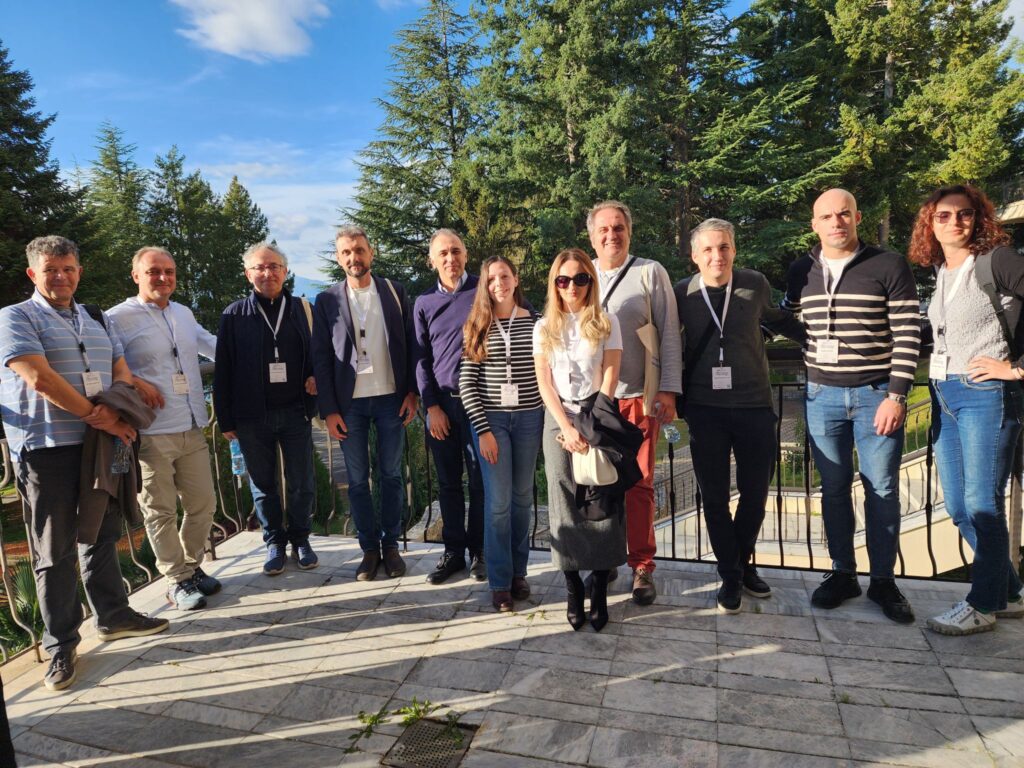
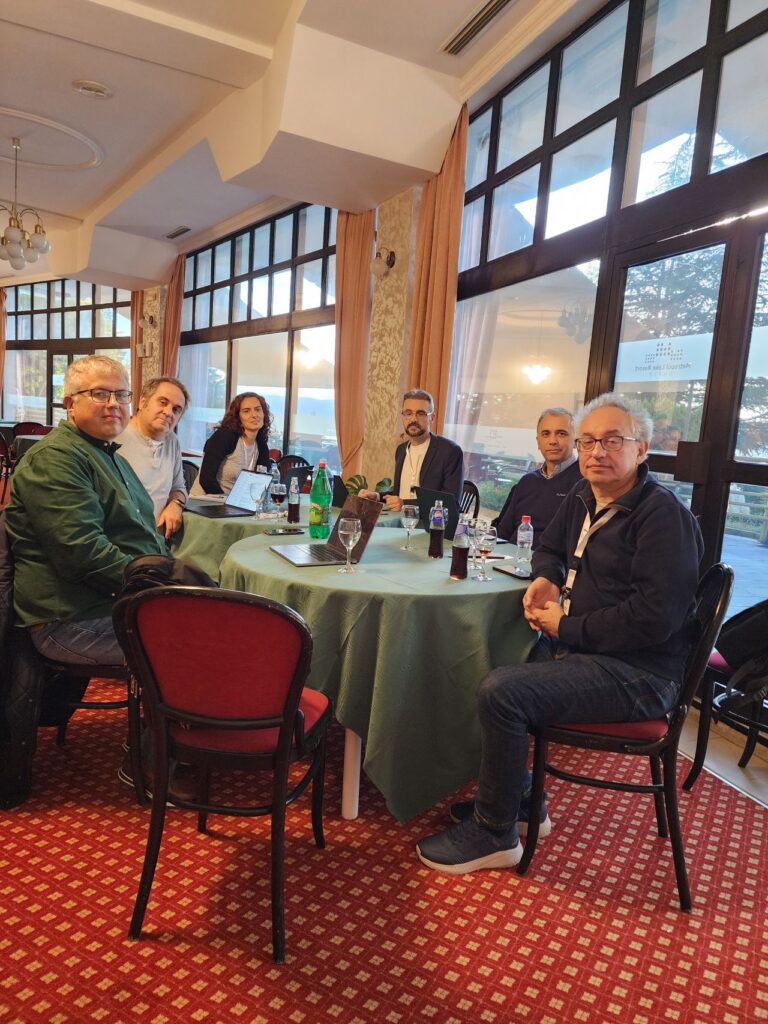
In the inspiring setting of Ohrid Lake, SENTAI Project partners from the University of Niš, Faculty of Electronic Engineering and the Faculty of Computer Science and Engineering – Skopje successfully held a project management meeting.
The meeting focused on reviewing the advancement of all work packages, assessing risks, and defining progress milestones for the upcoming months.
The project’s scientific achievements were also presented at the ICT Innovations 2025 conference, showcasing the progress and impact of SENTAI in the research community.

SENTAI Project Training at the University of Niš
As part of the SENTAI training programme, our colleague Vojdan Kjorveziroski is currently undertaking a two-week training at the University of Niš (29 September – 10 October), under the mentorship of Prof. Vladimir Ćirić.
During this training, he is focusing on the deployment and installation of newly acquired equipment for the AI Sentinel Laboratory at ELFAK.
The SENTAI project foresees two two-week training sessions every six months, enabling young researchers to spend time at partner institutions and contribute to specific project-related tasks.
This initiative is an important step in strengthening collaboration, building skills, and ensuring the successful implementation of advanced AI infrastructure within the project.
SENTAI Project Presented at NATO SPS Advanced Training Course
From 30 June to 4 July, the NATO Science for Peace and Security (SPS) Programme brought together researchers, practitioners, and experts for an Advanced Training Course on cybersecurity for critical infrastructures. Hosted by Tbilisi State University in Georgia, the event was a joint initiative of the National Centre for Nuclear Research (NCBJ) and the Georgian Research and Educational Networking Association (GRENA), under the framework of the NATO SPS Programme.
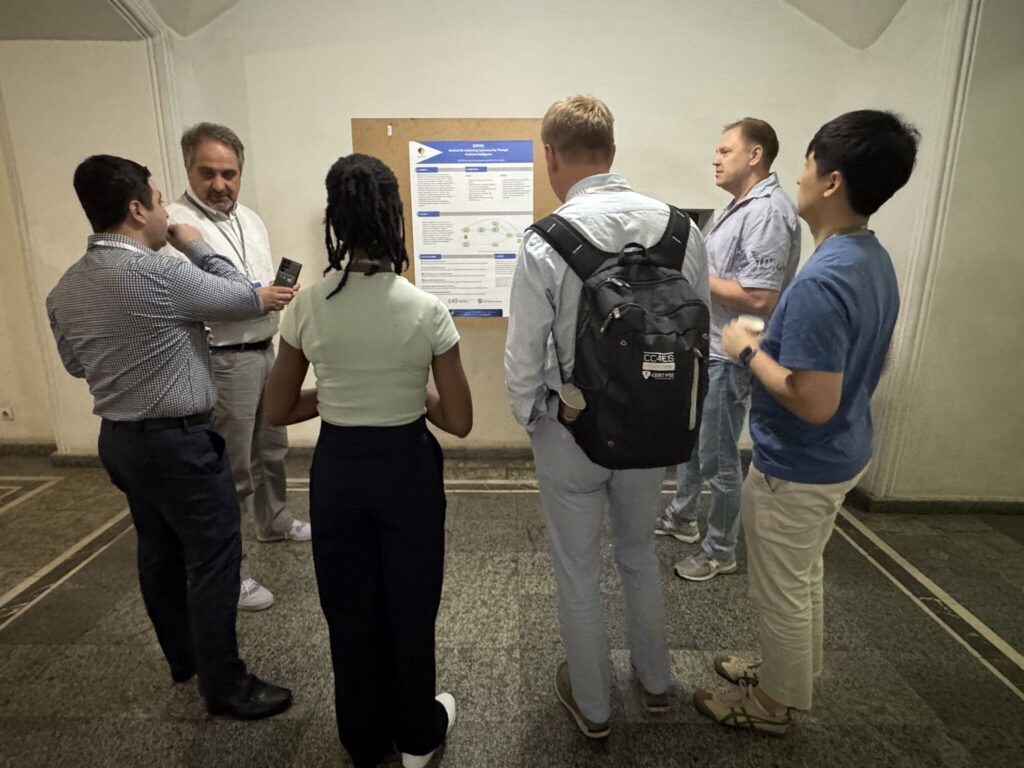
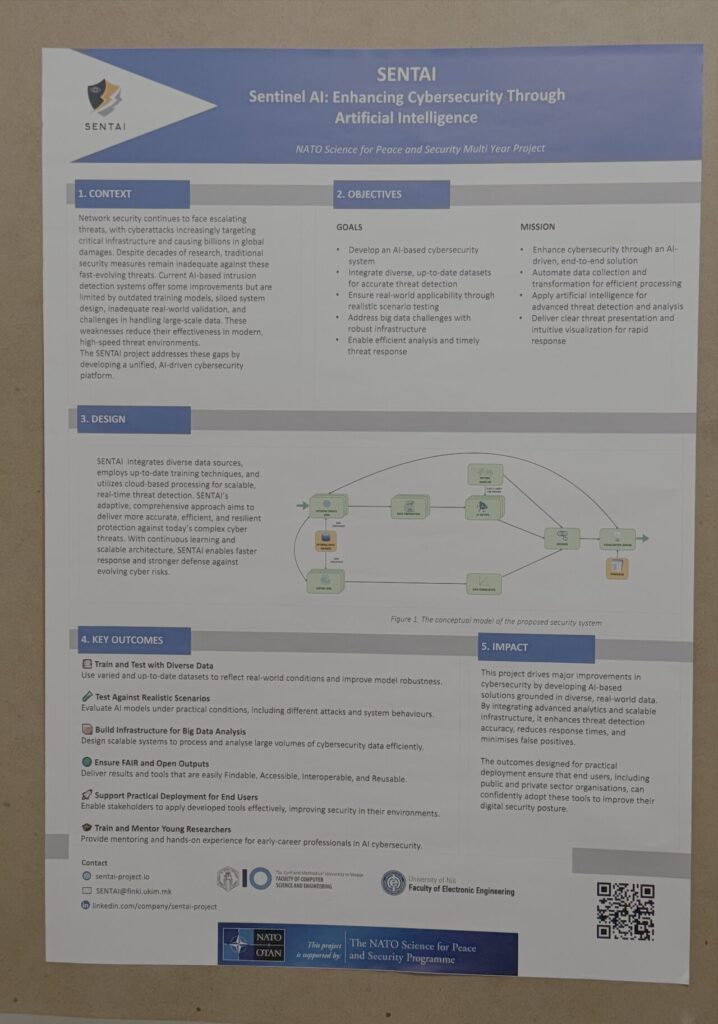
Throughout the five days of intensive sessions, the SENTAI Project featured prominently. It was presented as a successful NATO SPS Multi-Year Project proposal during a session on project application preparation, discussed from a scientific perspective during a panel on partner projects, and also showcased in the poster session. The event created space for meaningful discussion and knowledge exchange, including serious games exploring cybersecurity scenarios in critical infrastructure protection. It also provided valuable networking opportunities and laid the foundation for future collaboration.